 MSK Academy
5
sections
26
topics
119
articles
Basics
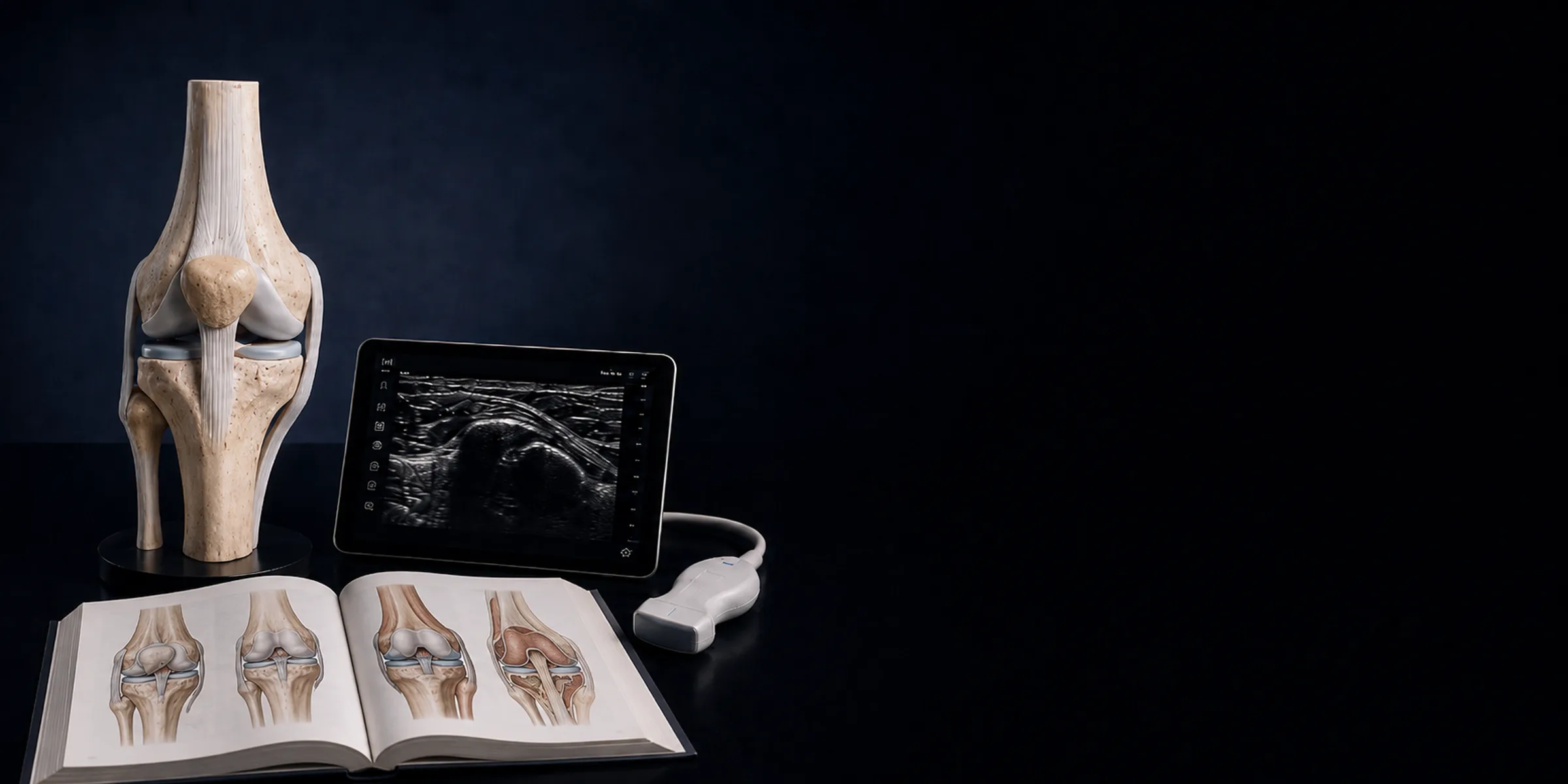
Foundational concepts of musculoskeletal ultrasound. Probe handling, image orientation, tissue recognition, and scanning fundamentals.
- Probe selection and orientation
- Basic tissue differentiation on ultrasound
- Standard scanning planes and approaches

Joints
Systematic examination of major joints. Standardized approaches for each articulation with annotated reference images.
- Standard scanning protocols for each joint
- Normal sonographic anatomy per region
- Probe positioning for optimal visualization
Nerves
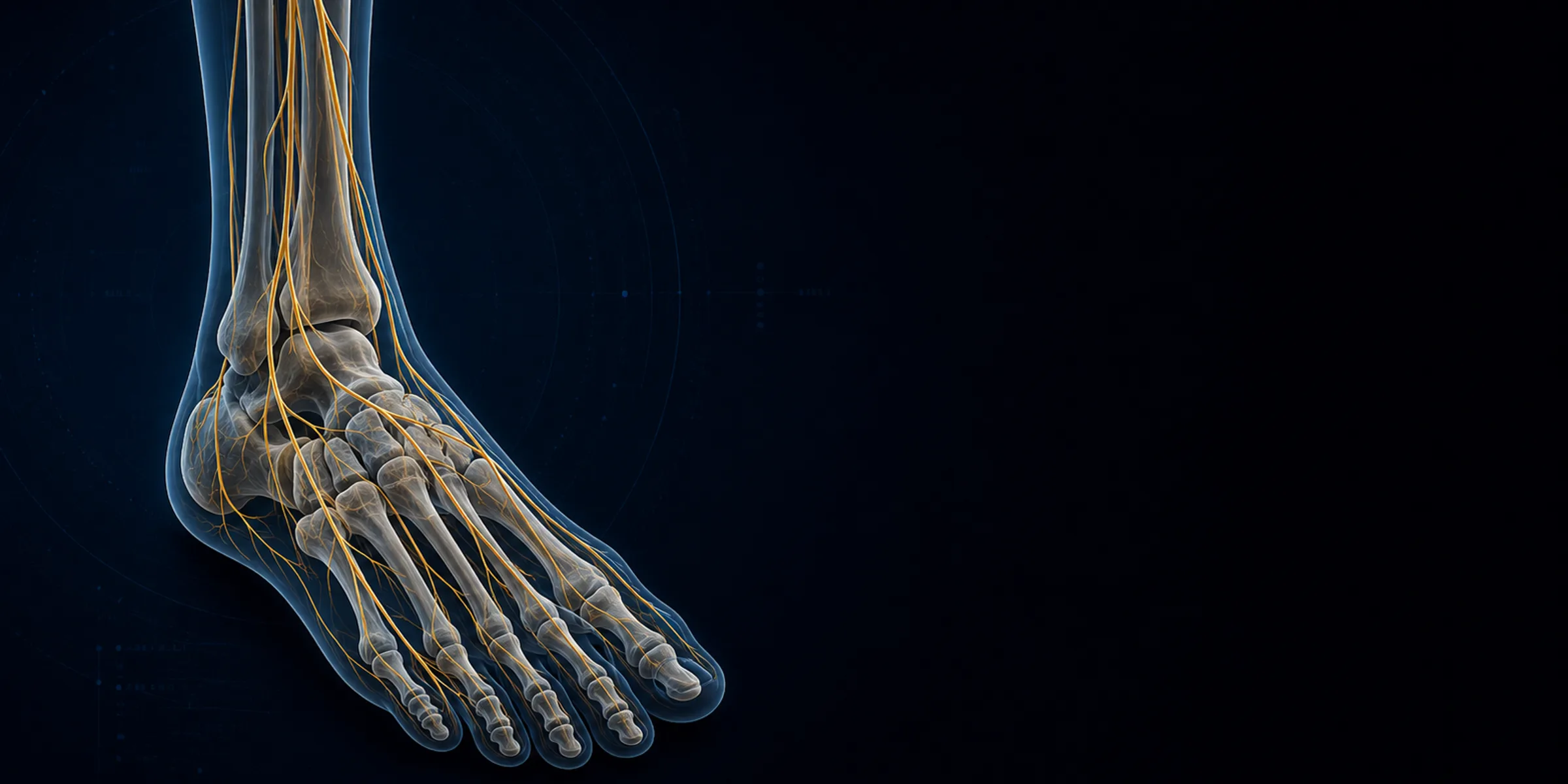
Peripheral nerve sonography. Identification, tracing, and measurement of major nerve structures throughout the extremities.
- Nerve identification on ultrasound
- Standard measurement points
- Entrapment site examination
Muscles
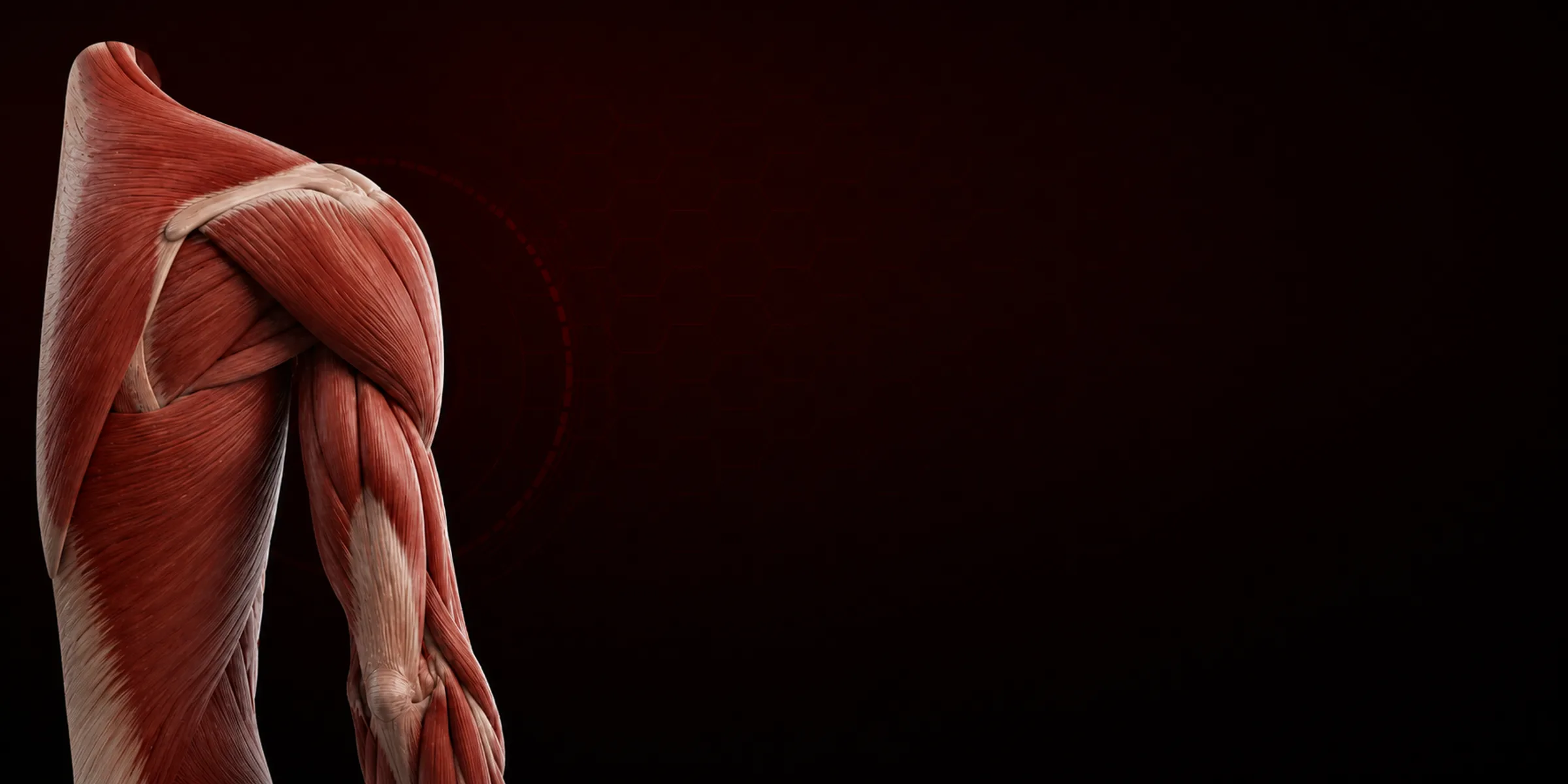
Musculotendinous ultrasound examination. Structure identification, dynamic assessment, and pathology recognition.
- Muscle architecture on ultrasound
- Tendon examination techniques
- Dynamic assessment protocols
Pathologies
Why this library is different
Created by a practicing physician
Dr. Jacisko draws on his clinical work in physical medicine and rehabilitation to create each protocol.
Regularly updated
The library is continually updated with new scanning protocols and anatomy references as the field develops.
Structured for clinical use
Find content by region and pathology before or during a patient visit.
Evidence-based and peer-reviewed
Content follows current clinical guidelines and includes references to published research.
Access the full library on any device
All scanning protocols, anatomy references, and clinical demonstrations, with progress tracking, offline access, and regular updates. Available on iOS, Android, and web.


Free to start. Premium for full access.